Slimy porcini: wet surface or deterioration?
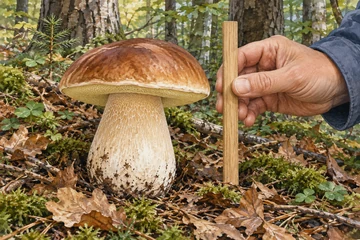
Slimy may describe a wet surface or deterioration. A cap photograph is not enough to distinguish these situations.
Begin with identity
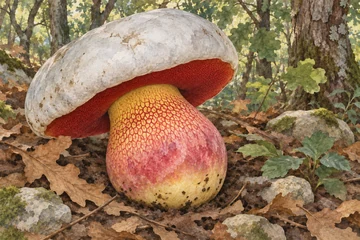
Confirm the taxon before explaining its surface. Boletes with a slimy cap covering are not automatically porcini. Retain underside, stem and base before cleaning; a cap property is neither a name nor an edibility status.
Describe the change
Record recent rain or washing, packaging, known temperature and time since picking. Examine flesh firmness, softened areas and unusual smell. A wet layer caused by the environment has a different history from a batch kept closed in warmth for several hours.
Washing does not repair
Removing the surface does not demonstrate that the remaining tissues are fit for food. Preservation sources require good-quality products before freezing or drying. If a batch appears deteriorated, do not choose a method intended to conceal its condition.
Prevent crushing and condensation
Ventilated transport and prompt preparation limit waiting in unfavourable conditions. Penn State describes moisture's role in closed packaging. Retain context in your notebook: it helps explain a specific deterioration without attributing all sliminess to one cause.
Related guides and articles
Show 20 more articles

- Cep soil: what the map and terrain say separately
- Porcini season: a calendar for several species
- Trees associated with porcini: proximity, stand and evidence
- Porcini nutrition: reading the Ciqual 2025 values
- Recognising porcini
- Porcini and boletes: a subset, not two opposing groups
- Growing porcini: root association and production are two aims
- Porcini prices: species, provenance and cost after sorting
- Penny bun
- A yellow cep
- Freezing ceps: prepare portions that are easy to cook
- Storing ceps: track the condition of stem, cap and tubes
- Must ceps be peeled? Cleaning without removing the whole cuticle
- Cep powder: start with an identified dried product
- Drying ceps: prepare inspectable slices
- Cleaning ceps: examine the interior too
- Cooking fresh ceps: distinguish sorting, cutting and browning
- Removing cep tubes: a choice of condition and texture
- Raw ceps: gastronomic reputation and health recommendation
- An old cep: flesh condition matters more than size
 Sources and review