Removing cep tubes: a choice of condition and texture
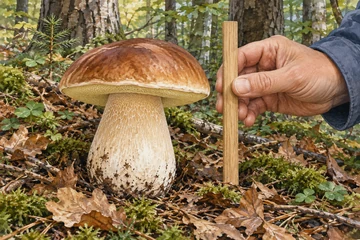
The spongy part beneath a cep's cap consists of tubes and their openings, the pores. Naming it correctly helps distinguish normal structure from deterioration.
Identify what you see
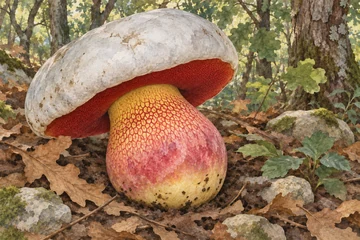
The Boletus edulis account describes a porous surface beneath the cap. It is neither plant moss nor cap skin. This layer's colour changes with specimen condition without allowing complete identification on its own.
Assess the layer and flesh
On an identified batch, examine consistency, dirt and tube condition. Also open stem and cap to check the flesh. Removing a damaged layer does not mean every remaining part is sound: sorting concerns the whole specimen.
Choose for the recipe
If the layer does not suit the texture sought, gently detach it from the flesh and keep the selected food parts. No evidence is provided here requiring its removal from every sound cep. A culinary choice must be presented as such, without a safety promise attached to the action.
Related guides and articles
Show 20 more articles

- Cep soil: what the map and terrain say separately
- Porcini season: a calendar for several species
- Trees associated with porcini: proximity, stand and evidence
- Porcini nutrition: reading the Ciqual 2025 values
- Recognising porcini
- Porcini and boletes: a subset, not two opposing groups
- Slimy porcini: wet surface or deterioration?
- Growing porcini: root association and production are two aims
- Porcini prices: species, provenance and cost after sorting
- Penny bun
- A yellow cep
- Freezing ceps: prepare portions that are easy to cook
- Storing ceps: track the condition of stem, cap and tubes
- Must ceps be peeled? Cleaning without removing the whole cuticle
- Cep powder: start with an identified dried product
- Drying ceps: prepare inspectable slices
- Cleaning ceps: examine the interior too
- Cooking fresh ceps: distinguish sorting, cutting and browning
- Raw ceps: gastronomic reputation and health recommendation
- An old cep: flesh condition matters more than size
 Sources and review