8 guides
Responsible practice
Collect responsibly
A forest visit is shared with wildlife, land managers and other people. Collection should remain lawful, modest, traceable and ecologically attentive.
8 min readRead the guide
Shared landscapes
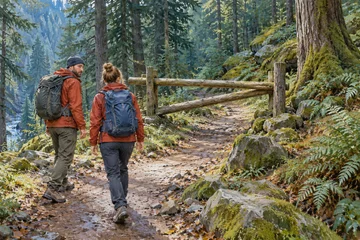
Treat the forest as a living, regulated and shared place by limiting disturbance before, during and after your visit.
8 guides
Responsible practice
A forest visit is shared with wildlife, land managers and other people. Collection should remain lawful, modest, traceable and ecologically attentive.
Legal framework
There is no single local rule that covers every Swiss forest.
Field transport
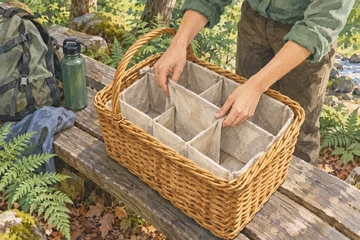
Transport should protect the specimen, maintain separation and preserve the information needed for later inspection, not simply hold the largest quantity.
Protected landscapes
Public access and collecting rights can change at a protected boundary.
An optional tool
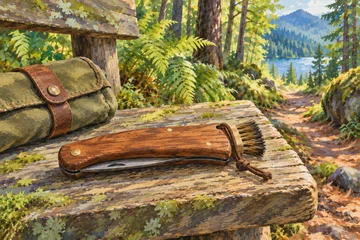
A knife can help with careful collection or light cleaning, but it can remove essential features and cause injury when stored badly.
Getting home comes first
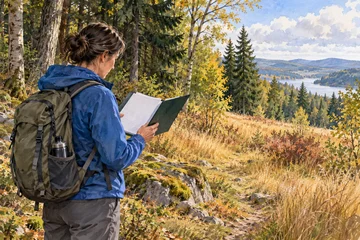
GPS supports orientation but replaces neither a map that is understood, a realistic route nor the decision to turn back when conditions change.
Official prevention advice
Ticks can transmit several diseases in Switzerland. Measures before, during and after walking reduce exposure but cannot remove it completely.
Quality before the basket
A damaged specimen loses useful features and keeps poorly. Leaving it in the habitat is often the most careful decision.
The map is free