Contents
 Contents
How to collect mushrooms responsibly in Switzerland
A forest visit is shared with wildlife, land managers and other people. Collection should remain lawful, modest, traceable and ecologically attentive.
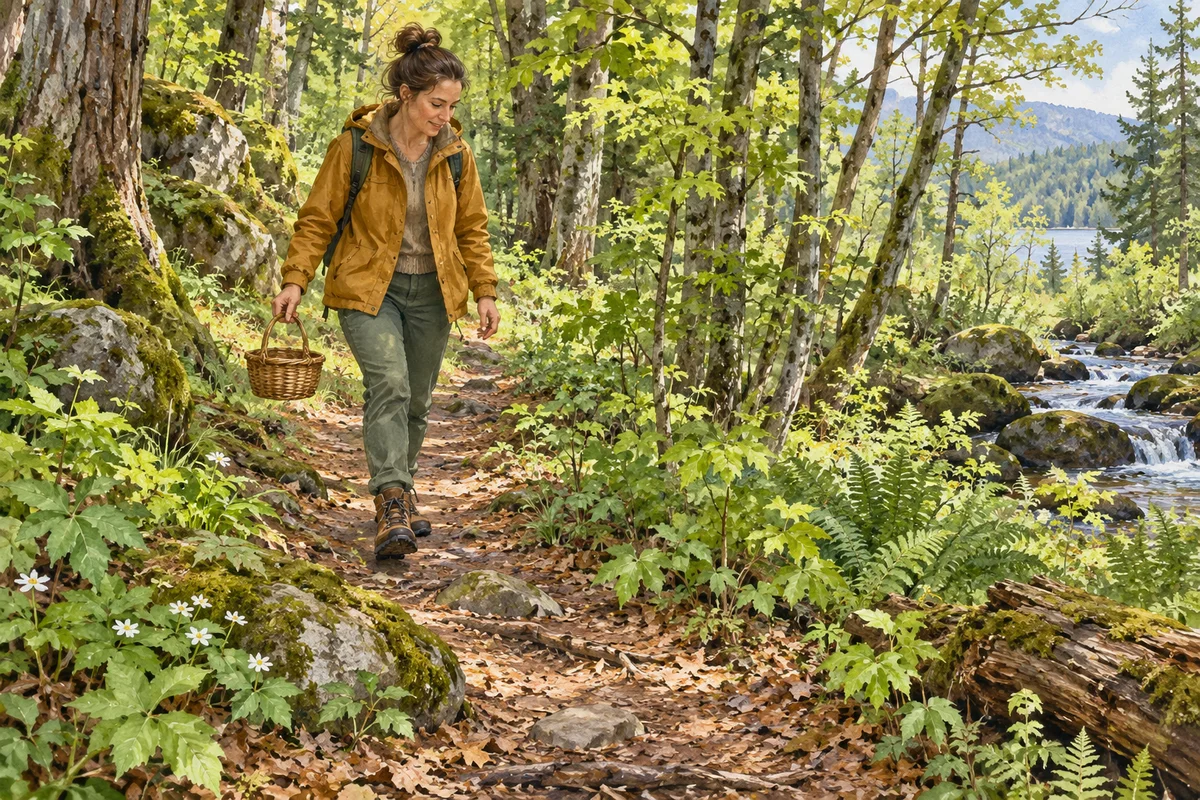
Check the place before collecting
Swiss mushroom rules can vary by canton, municipality and protected area. The Swiss National Park has strict protection rules that prohibit taking natural objects.
Collect only with a clear purpose
Do not measure a successful outing by basket weight. Leave unknown, very young, damaged or unnecessary specimens in place and avoid disturbing surrounding litter or wood. When a lawful collection is needed for identification or food, take only material you can keep separate, document and handle responsibly. A modest collection preserves context and makes later inspection easier.
- Collect only specimens you can document and separate.
- Minimise disturbance to litter, wood and nearby growth.
- Carry out every item and piece of waste.
 Collect only specimens you can document and separate.
Respect other users and sensitive places
Stay within authorised access, follow temporary closures and give forestry work, wildlife needs and other visitors appropriate space. Avoid publishing precise coordinates for sensitive observations or creating new informal paths to reach a promising point. A location shared online can receive more pressure than the original observer expected. Communicate habitat knowledge at a broader scale and emphasise method rather than secret spots. Responsible collecting includes the consequences of how a place is described after the outing.
Keep the food-safety boundary clear
Keep unknown specimens separate, preserve complete material and let a VAPKO inspector decide which finds may enter a food pathway. If anyone later becomes unwell after the meal, call the Swiss toxicology line 145. A threat to life requires 144, and vomiting must not be induced. Keep the basket divisions, leftovers, photographs and field labels so professionals can reconstruct the exposure.
Sources and review

Related guides
Legal framework

Swiss collecting rules
There is no single local rule that covers every Swiss forest.
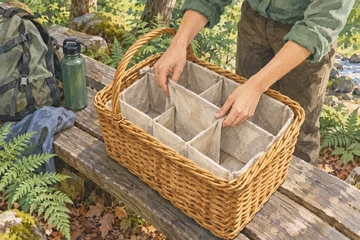
Field transport
Basket or bag
Transport should protect the specimen, maintain separation and preserve the information needed for later inspection, not simply hold the largest quantity.
Protected landscapes
Protected areas
Public access and collecting rights can change at a protected boundary.