Contents
 Contents
Ticks in woodland: preventing bites during an outing
Ticks can transmit several diseases in Switzerland. Measures before, during and after walking reduce exposure but cannot remove it completely.
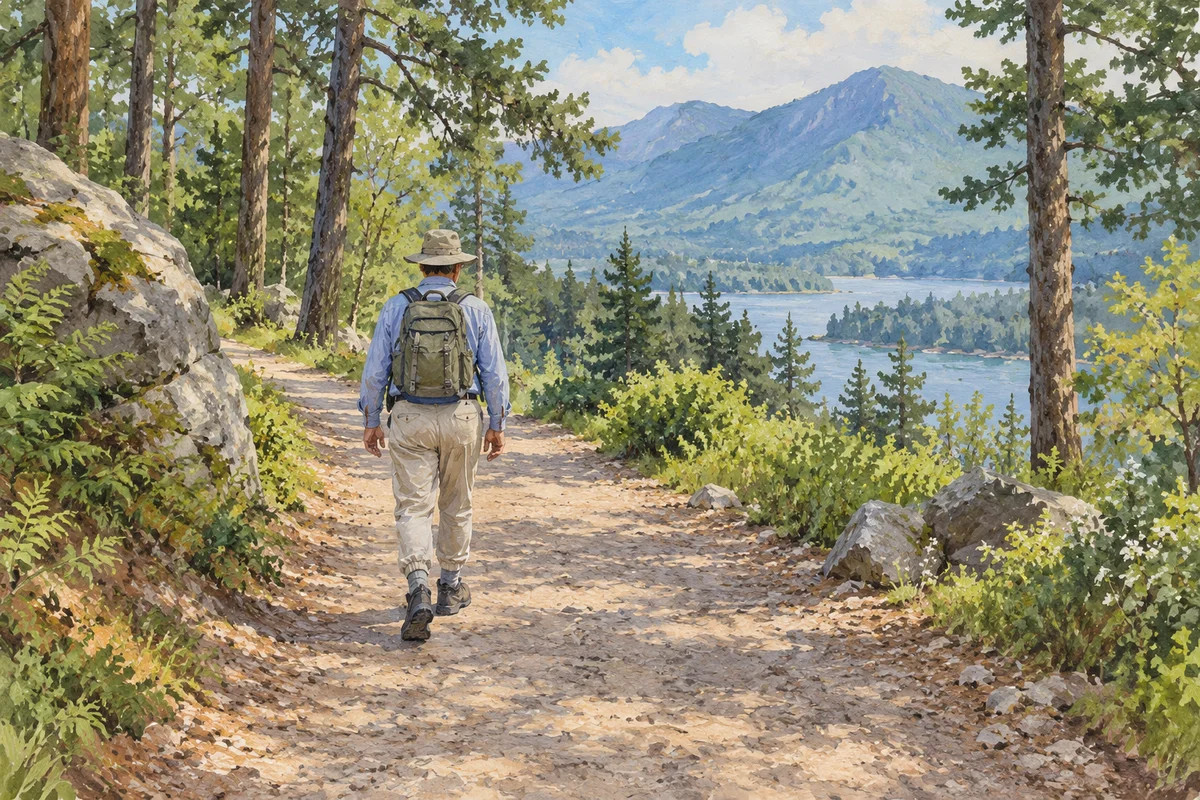
Understand a changing risk
The Swiss Federal Office of Public Health states that ticks occur in many regions, including at higher elevations, and that activity varies with conditions. Risk cannot be reduced to summer or one map. Consult current official information and, when appropriate, discuss vaccination against tick-borne encephalitis with a health professional.
Reduce exposure while walking
Prefer wider paths, avoid contact with grass and bushes where possible, wear covering clothes and use an appropriate repellent according to its instructions. These measures do not make an area risk-free. Keep them in place during short walks and stops at woodland edges.
Check after returning
After the walk, inspect clothes and the whole body carefully, including less visible areas. Carry out this check promptly and follow official advice for children or other people in the group. A complete check supports preventive measures taken outside, but does not replace them.
- Read current FOPH information.
- Wear covering clothing.
- Check body and clothes after returning.
- Seek medical advice if symptoms appear.
 Read current FOPH information.
Respond after a bite
The FOPH recommends removing a tick promptly with suitable tweezers and disinfecting the area. Seek medical advice if fever, a skin rash or another symptom appears after a bite. Review regional advice when the area or season changes. Record the bite date.

Related guides
Field equipment

Outing equipment
The best kit supports safe movement, complete documentation and careful separation without turning a forest walk into an equipment contest.
Planning method
Plan an outing
A useful outing begins with a route and a question about the landscape, not with a promise that a desired mushroom will be waiting there.
Getting home comes first

GPS and navigation
GPS supports orientation but replaces neither a map that is understood, a realistic route nor the decision to turn back when conditions change.