Contents
 Contents
Old or damaged mushrooms: knowing when to leave them
A damaged specimen loses useful features and keeps poorly. Leaving it in the habitat is often the most careful decision.
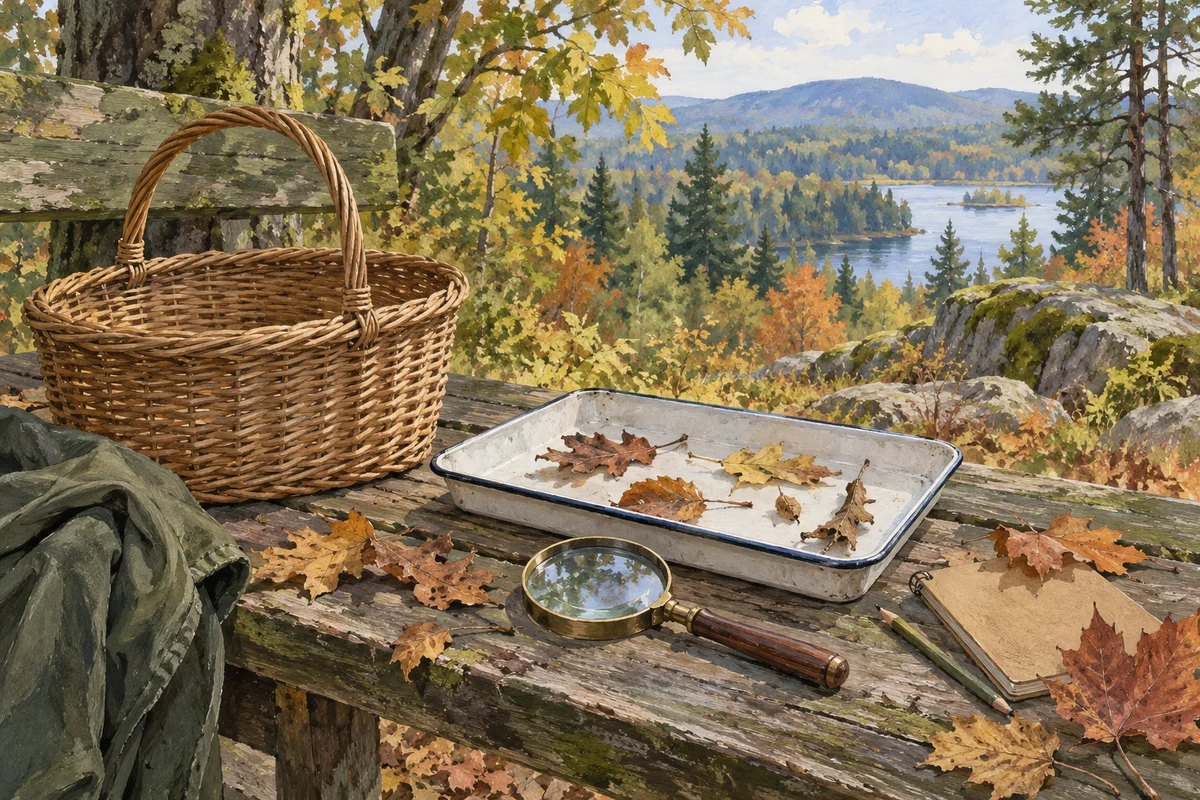
Check condition before collecting
Check firmness, integrity, waterlogged areas, visible mould, extensive damage and unusual smell before collecting. These signs do not determine a species, but may show that a subject is no longer suited to transport or inspection. When uncertain about its condition, leave it in the habitat.
Keep an inspection readable
An incomplete or heavily damaged specimen may have lost the base, surface, colour or other features required for assessment. Do not mentally reconstruct what is missing. For inspection, favour complete, fresh and separated subjects. Documentary quality comes before any culinary preparation.
Reject without trying to rescue
Trimming a damaged part, prolonged cooking, drying or freezing corrects neither an uncertain identification nor deterioration. Do not add a doubtful subject to a sound batch and never taste it. Isolate it for inspection only if it remains useful; otherwise discard it in line with local rules.
- Check integrity before collecting.
- Leave heavily damaged subjects in place.
- Never mix a doubtful subject.
- Present whole specimens for inspection.
 Check integrity before collecting.
Separate condition from identification
A mushroom can be named correctly and still be too damaged to eat. Conversely, an attractive appearance never proves edibility. Keep these decisions separate and have any harvest considered for consumption checked by a competent service. Leaving a damaged subject also avoids adding an unreadable specimen to the batch. Keep doubt separate.
Sources and review

Related guides
Before cleaning and cutting
Sorting a harvest
Sorting comes before cleaning, preservation and cooking. It protects features, isolates doubt and prepares the harvest for competent inspection.
Poisoning prevention

Toxicity and safety
Toxicity cannot be seen through a universal sign or neutralised by confidence. Prevention depends on reliable control and fast action when exposure is suspected.
Post-collection sorting
Clean mushrooms
Cleaning should begin only after identification and separation, because dirt removal can also erase the structures a qualified inspector needs to see.