Contents
 Contents
Wild mushroom toxicity and essential safety rules
Toxicity cannot be seen through a universal sign or neutralised by confidence. Prevention depends on reliable control and fast action when exposure is suspected.
There is no universal warning sign
A wild mushroom is not safe because it smells pleasant, looks clean, was eaten by an animal or resembles a familiar photograph. Toxic mushrooms do not share one visible mark, and dangerous confusion can occur between superficially similar specimens. Avoid broad rules based on colour, taste, bruising or habitat. Identification must consider the complete specimen and relevant lookalikes.
Prevent mixed collections
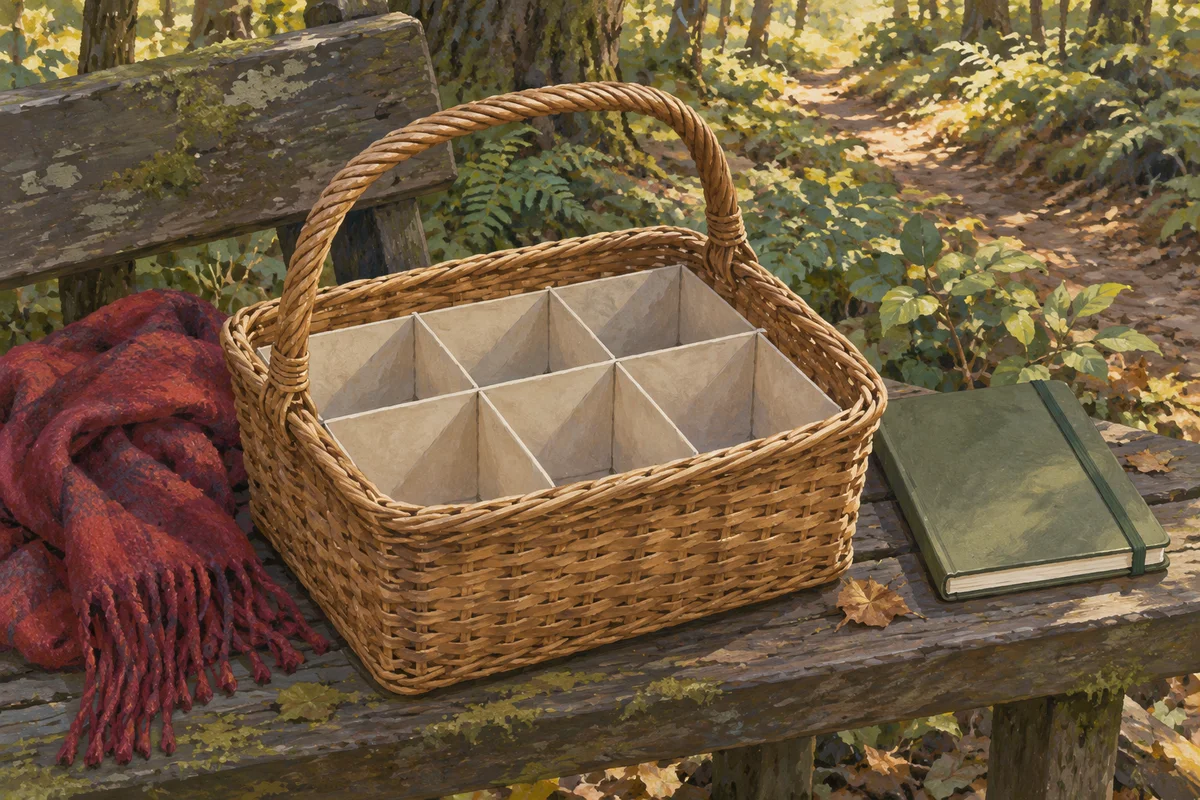
Keep unknown specimens away from any collection intended for food, and preserve the complete base and diagnostic surfaces when a qualified control is planned. Fragments can move between specimens during transport, making later sorting less reliable. Discarding one suspicious cap may not solve a mixed lot. Collect modestly, label uncertain material and maintain links to field photographs. The safer decision is to remove an entire questionable lot from consumption rather than reconstruct its contents from crushed pieces.
- Keep unknown specimens physically separate.
- Preserve complete material for expert control.
- Do not rely on photographs alone.
- Exclude any mixed or uncertain lot from food preparation.
 Keep unknown specimens physically separate.
Use qualified Swiss control
Before any consumption, take the complete collection to a VAPKO inspection centre and follow the inspector's decision. Do not arrive with only cleaned pieces, cooked food or cropped images if complete specimens were available earlier. A check concerns the material presented; it is not a permanent licence for future finds that appear similar. Keep learning and food safety separate. You may study an uncertain specimen carefully while still making the firm decision that it will not be eaten.
Act promptly after suspected exposure
Possible mushroom poisoning requires an immediate call to Tox Info Suisse at 145. Any apparent threat to life goes to emergency medical services on 144. Unless a professional directs otherwise, do not cause vomiting. Set aside meal remains, cleaning scraps, photographs and the collection record. MycoRadar neither validates edibility nor assesses symptoms. Seeking an online name first wastes time, while toxicology professionals can respond to the exposure that actually occurred.
Sources and review

Related guides
Critical thinking

Avoid shortcuts
A resemblance starts a comparison; it does not finish one. Learn to seek contradictions and stop when decisive evidence is missing.

Lookalike method

Compare lookalikes
A good comparison is designed to disprove a favourite hypothesis, not simply collect features that make two mushrooms seem similar.
Emergency action
Suspected poisoning
Do not wait for certainty or an internet identification. Contact the correct Swiss service and preserve information that can help professionals assess the exposure.