Contents
 Contents
How to clean wild mushrooms without losing safety information
Cleaning should begin only after identification and separation, because dirt removal can also erase the structures a qualified inspector needs to see.
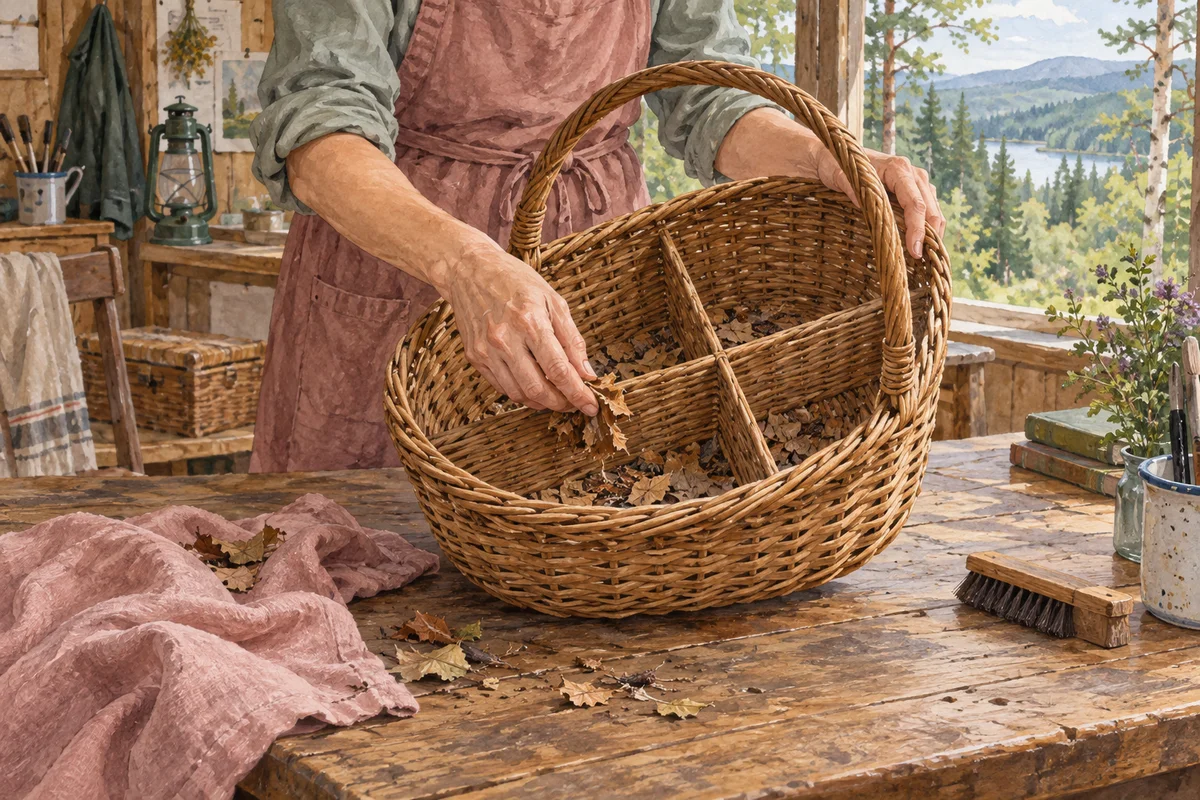
Identify before cleaning
Do not wash, trim or scrape an uncertain specimen before qualified control. Soil, the complete base, surface structures and colour changes may contribute to identification, while cleaning can remove or alter them. Lay out each labelled collection separately in good light and compare it with the linked field photographs. Discard mixed, degraded or incomplete lots from any food pathway.
- Keep uncertain specimens uncleaned for control.
- Preserve the complete base and diagnostic surfaces.
- Match every specimen to its field record.
- Exclude mixed or untraceable material from food use.
 Keep uncertain specimens uncleaned for control.
Separate inspection from kitchen work
Use a clean area and tools, and prevent soil or fragments from an unknown specimen reaching ingredients or surfaces used for food. Work through one verified lot at a time rather than emptying every packet together. Remove visible debris with a method appropriate to the inspected species and intended preparation, following official guidance where available. Cleaning improves handling but does not neutralise toxins, correct an identification error or make a deteriorated specimen suitable to eat.
Reject specimens that cannot be assessed
Damage, decay, insect activity or advanced age can obscure characters and affect suitability even when a name seems familiar. Do not salvage a questionable specimen by cutting away the visibly affected part and assuming the rest is safe. A VAPKO inspector can assess the collection presented, but the final material still needs careful handling after the check. When condition or traceability is poor, disposal is safer than improvising. The value of the outing does not depend on turning every find into food.
Use the Swiss safety pathway
Cleaning starts only after a VAPKO inspector has accepted the complete collection for food use; neither MycoRadar nor a washed specimen supplies that decision. If preparation is followed by a possible poisoning, 145 reaches Tox Info Suisse. Contact 144 when life appears to be in danger, and never make the affected person vomit. Save the cleaning waste, meal remnants, photographs and lot label. Scraps may retain characters that disappeared from the cooked dish.
Sources and review

Related guides
Safe storage
Store mushrooms
Storage slows change but cannot repair poor identification, contamination or deterioration. Only a checked, traceable collection should enter a food-storage routine.
Kitchen safety
Cook safely
Cooking begins after certain identification and suitable condition have been established. Heat cannot correct an unknown species or a mixed collection.
Poisoning prevention

Toxicity and safety
Toxicity cannot be seen through a universal sign or neutralised by confidence. Prevention depends on reliable control and fast action when exposure is suspected.