8 guides
Planning method
Plan an outing
A useful outing begins with a route and a question about the landscape, not with a promise that a desired mushroom will be waiting there.
8 min readRead the guide
Field preparation
Turn a day in the forest into a clear observation plan, with a suitable route, a backup option and the right equipment for Swiss conditions.
8 guides
Planning method
A useful outing begins with a route and a question about the landscape, not with a promise that a desired mushroom will be waiting there.
Timing a visit
There is no single perfect day. A useful decision combines recent conditions, the place you will visit and a realistic opportunity to observe it well.
Before you leave
A short written checklist prevents route details, local restrictions and observation essentials from disappearing behind the excitement of a forest visit.
Field equipment
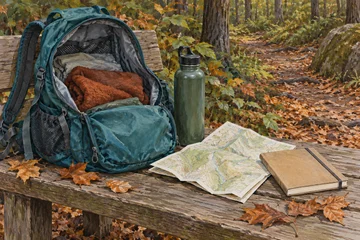
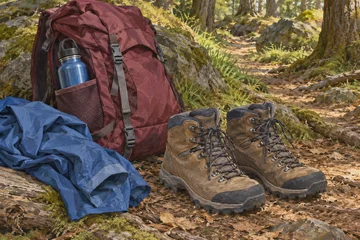
The best kit supports safe movement, complete documentation and careful separation without turning a forest walk into an equipment contest.
March to May
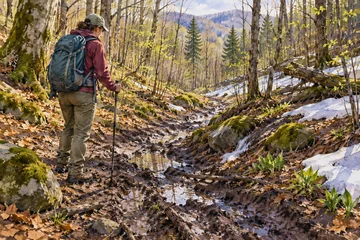
Spring brings together thaw, mild spells, returning cold and saturated ground. A useful outing compares areas and accepts strong seasonal variation.
June to August
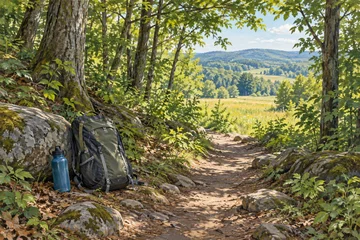
Summer can alternate between drought, storms and local cool areas. The latest rainfall alone cannot describe the condition of woodland ground.
September to November
Autumn brings more people into woodland, but a season considered favourable remains uneven. Conditions, access and daylight need to be read together.
December to February
Winter calls for a modest observation goal and a larger safety margin. Apparent cold does not describe every small habitat.
The map is free