Contents
 Contents
Winter mushroom outings: observe without forcing the season
Winter calls for a modest observation goal and a larger safety margin. Apparent cold does not describe every small habitat.
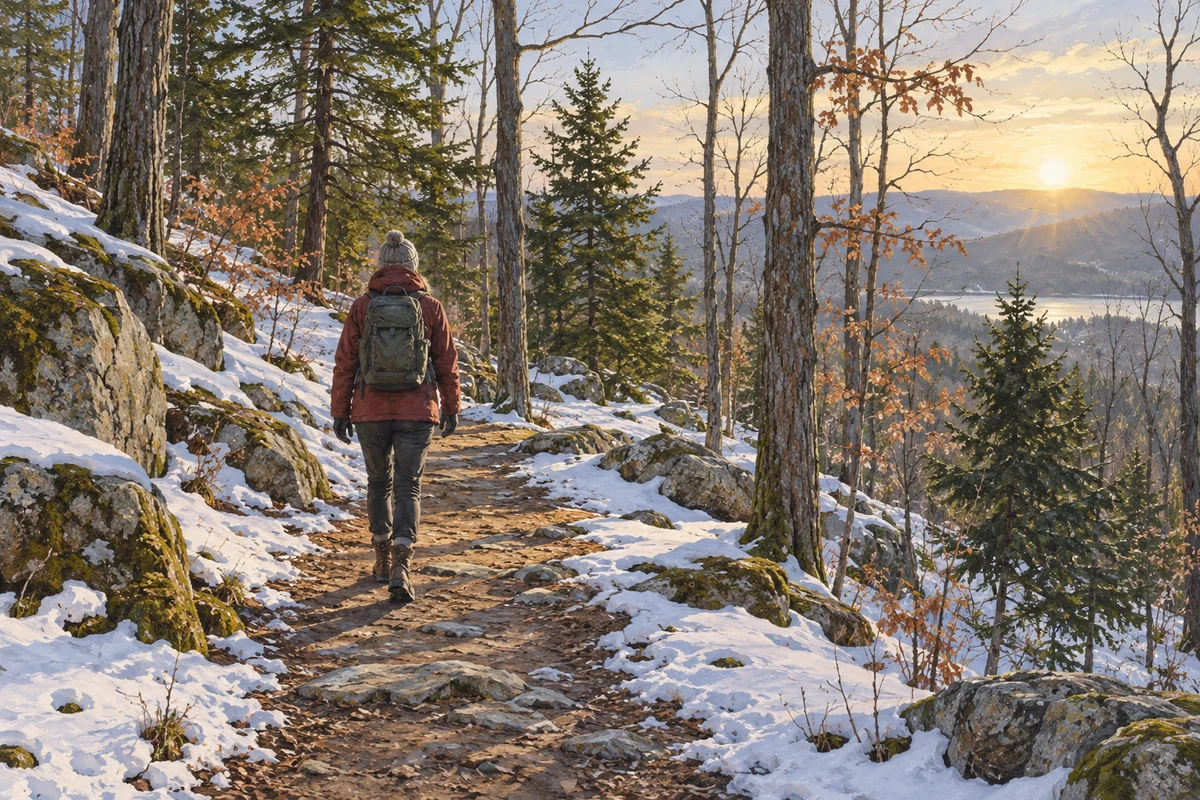
Change the purpose of the outing
A winter outing can be used to read relief, recognise woodland structure and improve habitat descriptions. It should not depend on a required harvest. Frost, snow, warmer intervals and limited daylight change what is visible and the condition of any specimens encountered.
Separate weather from microhabitat
A remote temperature reading describes neither every log, every litter layer nor every patch of ground. Some areas remain sheltered and others stay frozen longer. Compare weather signals with exposure and cover, then limit conclusions to direct observations. No mild spell guarantees an encounter with a species.
Shorten the route before leaving
Plan a short loop, suitable footwear, warm layers and a generous margin before dark. Paths can be icy even when the valley looks clear. Download navigation for offline use, tell someone when appropriate and cancel when access, wind or visibility makes the walk uncertain.
- Reduce the planned distance.
- Check frost, snow and nightfall.
- Download offline navigation.
- Turn back when the ground is uncertain.
 Reduce the planned distance.
Document without extrapolating
Photograph the habitat and keep observations in their actual condition, including subjects altered by frost. A visit with no find does not establish regional absence. In winter as in other seasons, one image cannot identify a mushroom or support a decision to eat it. Use the extra time to observe tree structure and access conditions rather than extending the route.
Sources and review

Related guides
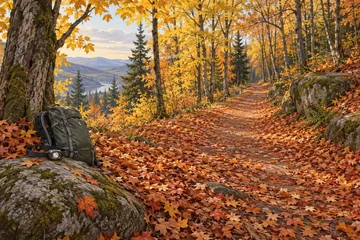
September to November

Autumn outings
Autumn brings more people into woodland, but a season considered favourable remains uneven. Conditions, access and daylight need to be read together.
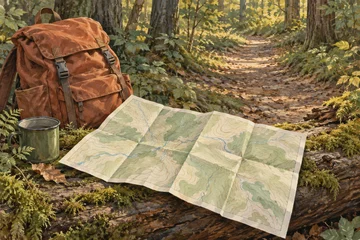
Planning method
Plan an outing
A useful outing begins with a route and a question about the landscape, not with a promise that a desired mushroom will be waiting there.
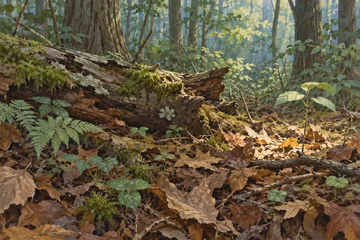
Habitat literacy

Forest habitats
Habitat gives an observation context, not a species name. Learn to describe visible forest features without filling gaps with assumptions.