Contents
 Contents
Transporting a mushroom harvest without crushing or mixing it
Open and organised transport protects useful features. It limits mixing without turning the basket into a guarantee of freshness.
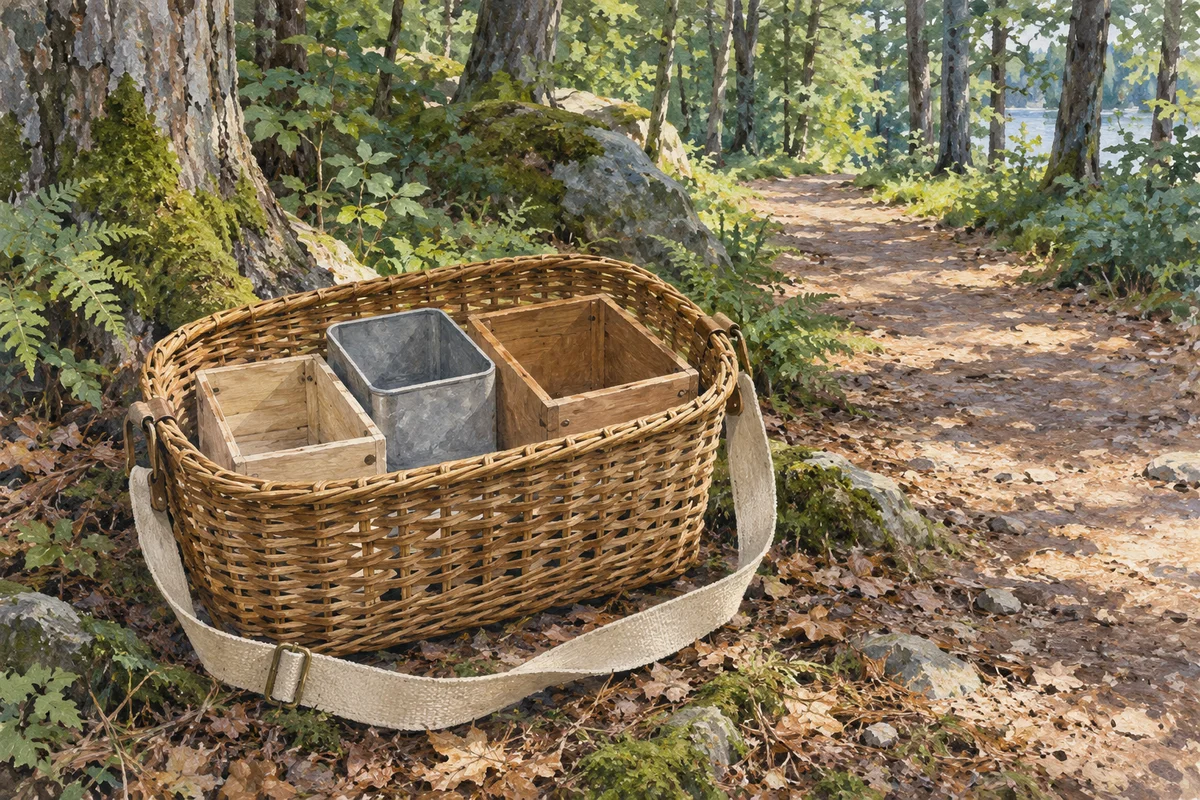
Choose a readable container
Use a stable, open basket that keeps the harvest visible and reduces crushing. A closed plastic bag encourages rapid deterioration and mixes fragments. Size the container for the planned route instead of trying to fill it, and leave space to protect subjects intended for inspection.
Separate before features are lost
Separate every uncertain specimen and groups that could be confused as soon as they are collected. Small clean, rigid containers can preserve a base, underside or fragile surface. Do not package an unknown subject with a harvest intended for consumption, even for a few minutes.
Limit heat and time
Reduce time spent in a hot car or direct sun and arrange the return around prompt sorting or inspection. An open basket does not replace suitable storage. If subjects deteriorate, do not try to rescue the batch with cold or cooking.
- Use an open basket.
- Separate every doubt immediately.
- Protect fragile features.
- Go promptly to sorting or inspection.
 Use an open basket.
Arrive ready to sort
Back indoors, place the basket in a bright area and review one group at a time. Keep whole specimens and field notes with the correct batch. Good transport makes inspection possible; it proves neither identity, food quality nor edibility. Plan the inspection location and opening hours before leaving to avoid a long detour with a warm, compressed harvest and to preserve the link between each group and its notes.
Sources and review

Related guides
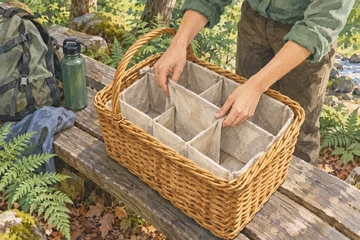
Field transport

Basket or bag
Transport should protect the specimen, maintain separation and preserve the information needed for later inspection, not simply hold the largest quantity.
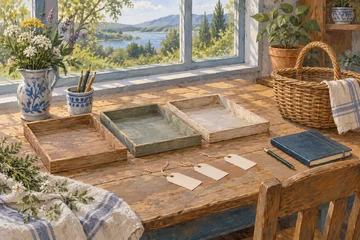
Before cleaning and cutting
Sorting a harvest
Sorting comes before cleaning, preservation and cooking. It protects features, isolates doubt and prepares the harvest for competent inspection.
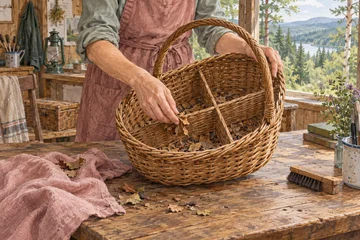
Post-collection sorting
Clean mushrooms
Cleaning should begin only after identification and separation, because dirt removal can also erase the structures a qualified inspector needs to see.