9 guides
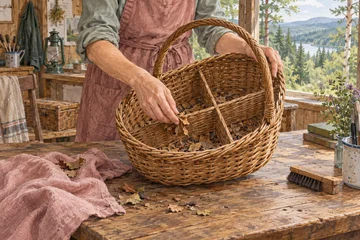
Post-collection sorting
Clean mushrooms
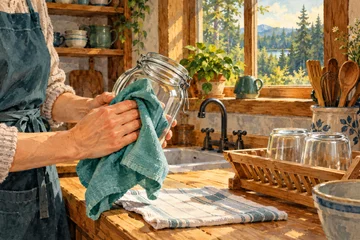
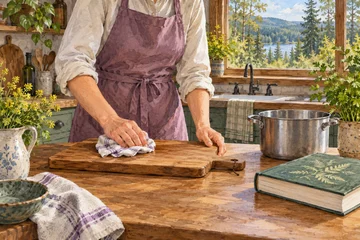
Cleaning should begin only after identification and separation, because dirt removal can also erase the structures a qualified inspector needs to see.
7 min readRead the guide
From basket to kitchen
Preserve traceability after the forest, remove uncertain specimens and obtain an expert check before any wild mushroom is prepared for food.
9 guides
Post-collection sorting
Cleaning should begin only after identification and separation, because dirt removal can also erase the structures a qualified inspector needs to see.
Safe storage
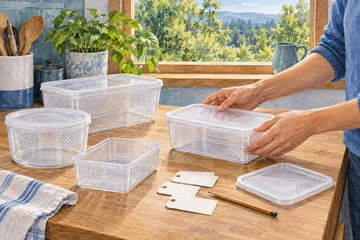
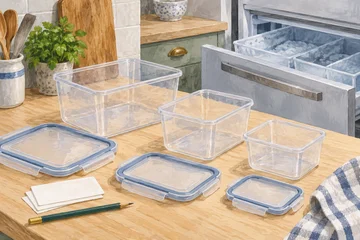
Storage slows change but cannot repair poor identification, contamination or deterioration. Only a checked, traceable collection should enter a food-storage routine.
Preservation method
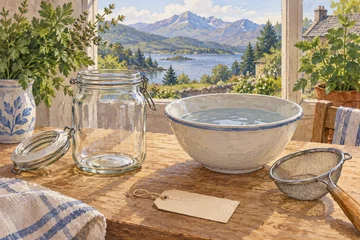
Drying preserves a verified ingredient; it does not identify an unknown mushroom or make a toxic species safe.
Complete drying guide
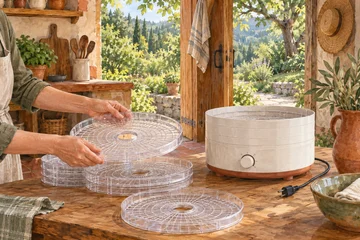
Reliable drying removes moisture from the centre while preserving the identity of every batch. Expert identification and inspection must always happen before slicing.
Kitchen safety
Cooking begins after certain identification and suitable condition have been established. Heat cannot correct an unknown species or a mixed collection.
Cold validates nothing
Freezing preserves a batch whose identity and condition have already been verified. It never turns a doubtful harvest into safe food.
Only use a known batch
Rehydration adds water to a product that was already identified and dried correctly. It does not reveal a species or repair doubtful storage.
From field to inspection
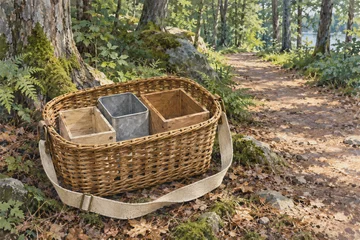
Open and organised transport protects useful features. It limits mixing without turning the basket into a guarantee of freshness.
Before cleaning and cutting
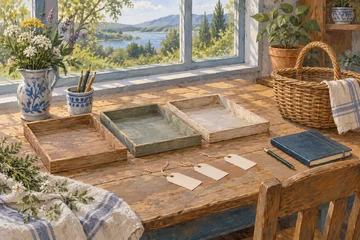
Sorting comes before cleaning, preservation and cooking. It protects features, isolates doubt and prepares the harvest for competent inspection.
The map is free