Contents
 Contents
How to dry wild mushrooms safely
Drying preserves a verified ingredient; it does not identify an unknown mushroom or make a toxic species safe.
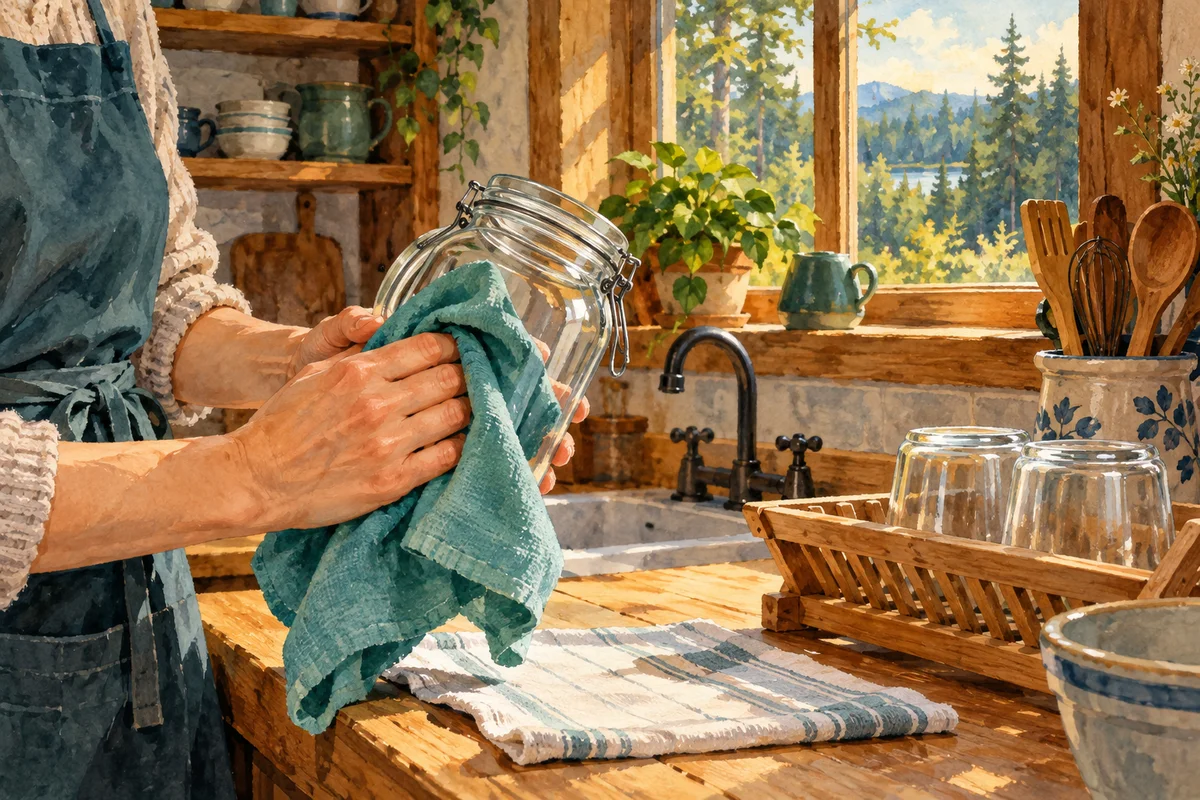
Dry only a verified collection
Obtain a VAPKO control while specimens are complete and identifiable, before slicing or drying changes their structure. Keep each approved lot separate and label it with the collection and control information. Do not include fragments whose origin is uncertain. Drying concentrates and transforms material, which makes later visual identification harder rather than easier, so every safety decision must precede the process.
- Use only complete material checked before processing.
- Keep species and collection lots separate.
- Remove every unidentified fragment.
- Label the lot before slicing or drying.
 Use only complete material checked before processing.
Follow validated equipment guidance
Prepare clean, sound specimens using a food-safe method suited to the actual species and appliance, following official guidance and the manufacturer's instructions. This page deliberately avoids a universal time or temperature because equipment, slice size, species and conditions differ. Arrange material so that the chosen method can work consistently, and protect it from contamination during handling. Do not improvise with an unsuitable heat source or assume that a crisp appearance alone proves safe processing.
Label and inspect the finished lot
Keep dried collections in clean, suitable food containers with clear labels so they cannot be confused with decorative, study or unknown specimens. Record what was checked, when it was collected and which lot it came from. Inspect for moisture, damage or contamination before storage and again before use. If the result or history is questionable, discard it. Do not merge leftovers from different outings simply because their dried pieces look similar, since diagnostic appearance may have been lost.
Remember that drying does not neutralise every hazard
Drying is not an edibility test and cannot rescue an uncertain identification. If dried food may have caused poisoning, reach Tox Info Suisse in Switzerland at 145; use 144 when life is threatened. Do not provoke vomiting. Keep the dried remnants, original label, photographs and collection log for specialist assessment. VAPKO should have examined the fresh, complete specimens before processing, because fragments may no longer retain enough evidence for a reliable control.
Sources and review

Related guides
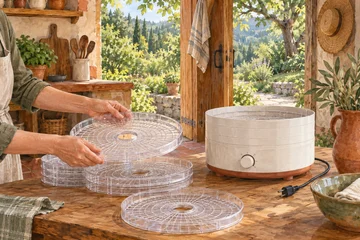
Complete drying guide

How to dry mushrooms
Reliable drying removes moisture from the centre while preserving the identity of every batch. Expert identification and inspection must always happen before slicing.
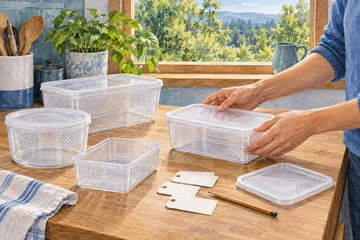
Safe storage
Store mushrooms
Storage slows change but cannot repair poor identification, contamination or deterioration. Only a checked, traceable collection should enter a food-storage routine.
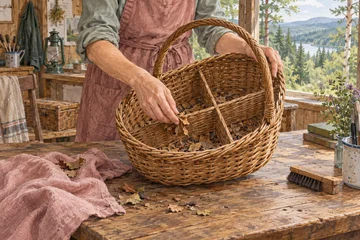
Post-collection sorting
Clean mushrooms
Cleaning should begin only after identification and separation, because dirt removal can also erase the structures a qualified inspector needs to see.