Contents
 Contents
How to observe and identify a mushroom safely
A familiar colour or cap shape is only a starting impression. Responsible identification requires several compatible characters from a complete specimen.
Describe before you name
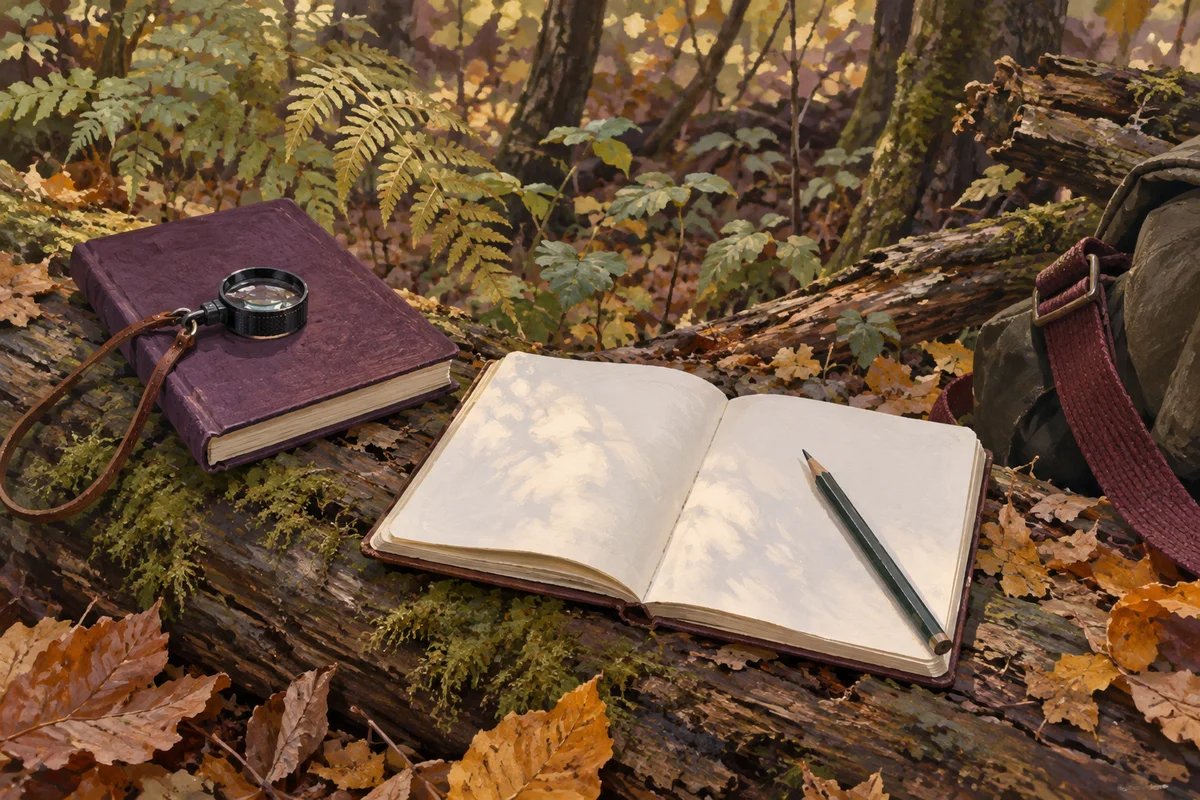
Resist the urge to attach a name to the first familiar feature. Begin with a neutral description of the cap, underside, stem, base, surface, structure, growth pattern and visible context. Colours can change with light, age, moisture and the camera, so record them without making them carry the whole identification. A description exposes missing information and gives a qualified inspector something useful to evaluate. A name offered too early tends to make later observations fit the guess rather than test it.
Document the whole specimen
Photograph the specimen in place before moving it, including its substrate and neighbouring growth. If collection is permitted and a control is planned, preserve the full base and keep parts together without scraping away important surfaces. Record the underside clearly and note any change you genuinely observe, without provoking damage simply to create an effect. One attractive cap photograph is rarely enough. Complete documentation supports comparison, but even excellent photographs may leave characters that require direct examination unresolved.
- Photograph the wider habitat before close views.
- Record cap, underside, stem and complete base.
- Note substrate and whether growth is single, grouped or clustered.
- Label any unseen or uncertain character as unknown.
 Photograph the wider habitat before close views.
Test alternatives, not just your favourite
Use reliable references to compare a candidate with plausible lookalikes, paying special attention to characters that would contradict your first idea. Do not dismiss a mismatch as individual variation unless an authoritative source documents that variation. Habitat and season can support a comparison but cannot overrule incompatible morphology. When a decisive character is missing, the correct result is unresolved, not probably safe.
Keep identification separate from eating
An identification remains a field hypothesis until the complete collection has been examined at a VAPKO inspection centre. For suspected mushroom poisoning in Switzerland, phone Tox Info Suisse on 145 immediately. Dial 144 if life is in danger, and do not make the person vomit. Retain the examined specimens, meal remains and field notes for the professionals. An image match or app suggestion is not a food-safety decision, even when several visible features appear to agree.
- Keep complete specimens available for control.
- Do not consume anything that remains uncertain.
- Save 145 and 144 in an accessible place.
- Retain leftovers and documentation if symptoms occur.
Sources and review

Related guides
Field photography

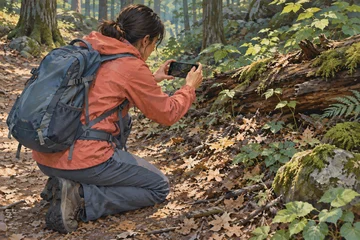
Photograph mushrooms
A useful identification series shows context and structure. It is not a single portrait of the cap and never replaces examination of the specimen.

Recording observations
Describe an observation
A strong observation distinguishes what you saw from what you inferred, so that another person can understand the evidence later.

Lookalike method

Compare lookalikes
A good comparison is designed to disprove a favourite hypothesis, not simply collect features that make two mushrooms seem similar.